Mobile Games Ads
Mobile Games Ads
Kids Gaming Advertising That Scales With Trust
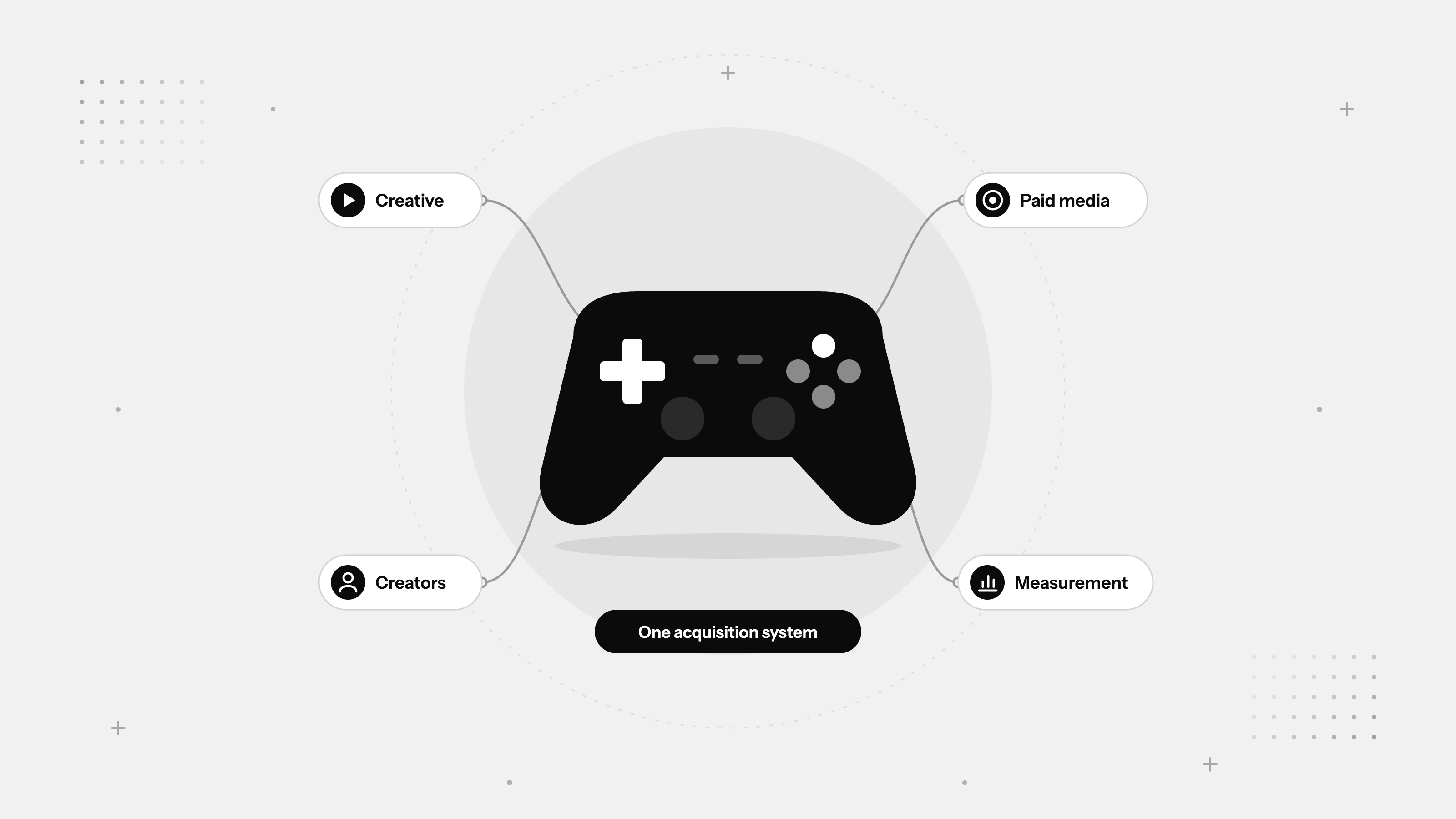
Kids gaming advertising that earns installs without burning trust: build compliant, gameplay-first creative, smarter testing, and profitable acquisition at scale.

A preschool puzzle game and a competitive game built for 10-year-olds may both sit in the kids category, but they are not the same acquisition problem. Kids gaming advertising has to create demand without misleading young players, crossing privacy lines, or turning parents into one-star reviewers. The best campaigns make the game feel worth downloading before the ad ends - and make the experience after install match the promise.
That constraint is not a creative handicap. It is a performance advantage. When the hook, gameplay, audience, and monetization model align, teams see cleaner conversion signals, fewer regret-driven installs, and creative concepts that can run longer than the latest trend format.
Kids Gaming Advertising Starts With the Real Buyer
The first mistake is treating every kids game as if the child is the sole decision-maker. Sometimes they are the player but not the purchaser. Sometimes the parent discovers the game, approves the download, and manages subscriptions or in-app purchases. In other cases, an older child sees the ad and brings it to a parent with a simple question: “Can I get this?”
Those paths require different creative.
For a game designed primarily for young children, parent-facing creative should lead with value parents can assess quickly: age-appropriate play, familiar learning goals, no stressful mechanics, offline moments, or a clear explanation of what the child actually does in the app. This is not about making every ad sound educational. It is about reducing uncertainty around a download that enters a family device.
For games built around collecting, creativity, racing, social play, or challenge, gameplay can carry more of the load. But it still needs to show the actual loop: what players tap, choose, build, solve, or compete to do. A cinematic trailer may create awareness. It rarely tells a performance buyer whether the install will hold.
A useful planning question is: who sees the ad, who initiates the install, and who has the power to pay? Map that before scripting creators, storyboarding animation, or buying a single impression.
Compliance Is Part of the Creative Brief
For child-directed experiences, privacy and advertising rules are not a legal-review box added after production. They shape what the campaign can claim, collect, target, and measure. In the United States, COPPA is central to that conversation, alongside platform policies, app store requirements, and state-level privacy rules that may apply to a particular business model.
The practical implication for growth teams is clear: do not build a media plan around behavioral targeting or granular user data you cannot lawfully collect or use. Work with legal and privacy teams early, especially when the game is directed to children under 13 or has mixed-audience signals. This is not legal advice. It is an operating principle that prevents expensive rework and protects the business from a campaign strategy that cannot survive review.
Creative claims need the same discipline. If an ad shows a rare reward every 15 seconds, but the game makes that reward difficult to find, the campaign may win cheap clicks and lose trust immediately after install. If it suggests unlimited access but key activities are gated, parents will notice. Short-term click-through rate is not a defense against a broken product promise.
The strongest teams create a claims library before scaling. It defines approved language for subscriptions, in-app purchases, safety features, gameplay rewards, learning outcomes, and multiplayer capabilities. That gives editors, creators, and media buyers room to move fast without inventing risky messaging in the last round of revisions.
Show the Gameplay Loop, Not a Fantasy Version of It
Fake gameplay ads have trained mobile users to expect disappointment. In kids games, the downside is worse because the person who feels misled may be a parent deciding whether the game stays on the device.
Show the real loop early. If the magic is decorating a world, show the choice, the transformation, and the next reason to keep going. If the core experience is a simple puzzle, demonstrate the satisfying moment of solving it. If the game is about collecting characters, make the collection mechanic visible without overpromising how fast progress happens.
That does not mean every ad needs to be raw screen capture. A strong performance asset can combine gameplay, motion graphics, voiceover, creator footage, and clear text overlays. The point is fidelity. The ad can be polished, funny, surprising, or fast-paced. It just cannot sell a different game.
Playable ads are especially useful when the interaction itself is the hook. A lightweight HTML5 experience can let prospective players test a core mechanic before they install. For the right title, that filters out curiosity clicks and attracts users who genuinely enjoy the loop. The trade-off is production complexity and the need to keep the playable focused. A miniature game with too many features is not a better qualifier. It is usually a slower ad.
Build Creative Around Parent and Player Motivations
A single concept can speak to both audiences, but not always in the same cut. Treat creative as a system of hypotheses rather than a pile of resized assets.
Player-led hooks can center on agency: “Can you build the wildest pet park?” “Can you beat this level?” “Which character would you choose?” These work when they connect directly to visible gameplay and an achievable first-session payoff.
Parent-led hooks should be concrete, not sentimental filler. Show a child engaged in a recognizable activity, then explain what the game offers. Depending on the product, that may be calm independent play, creativity, a trusted franchise, age-appropriate challenges, or a clear value proposition for a subscription.
Creator content can be effective, particularly when it looks like a real recommendation rather than a scripted commercial trying to impersonate one. But creator selection matters. For family-oriented titles, credibility comes from the right context: parents, educators where appropriate, family entertainment voices, or creators whose audience and delivery style fit the game. A popular creator with the wrong audience is not a growth strategy.
Stop Testing Ads. Start Testing Hooks.
Most creative fatigue problems begin with shallow testing. Teams change a caption color, add a new transition, or swap the final CTA, then call the asset fresh. Platforms may register variation, but users still see the same premise.
Test the decision-driving idea first. For a kids game, that could be the first magical reveal, a satisfying puzzle completion, a parent reassurance message, a favorite-character moment, or a challenge that invites participation. Once a hook proves it can earn attention and qualified installs, create multiple executions around it for Meta, TikTok, Google, and mobile inventory.
A practical test matrix should vary the opening three seconds, the gameplay proof, the audience lens, and the offer framing. Keep enough consistency to learn what changed performance. If every element changes at once, results become creative folklore instead of actionable data.
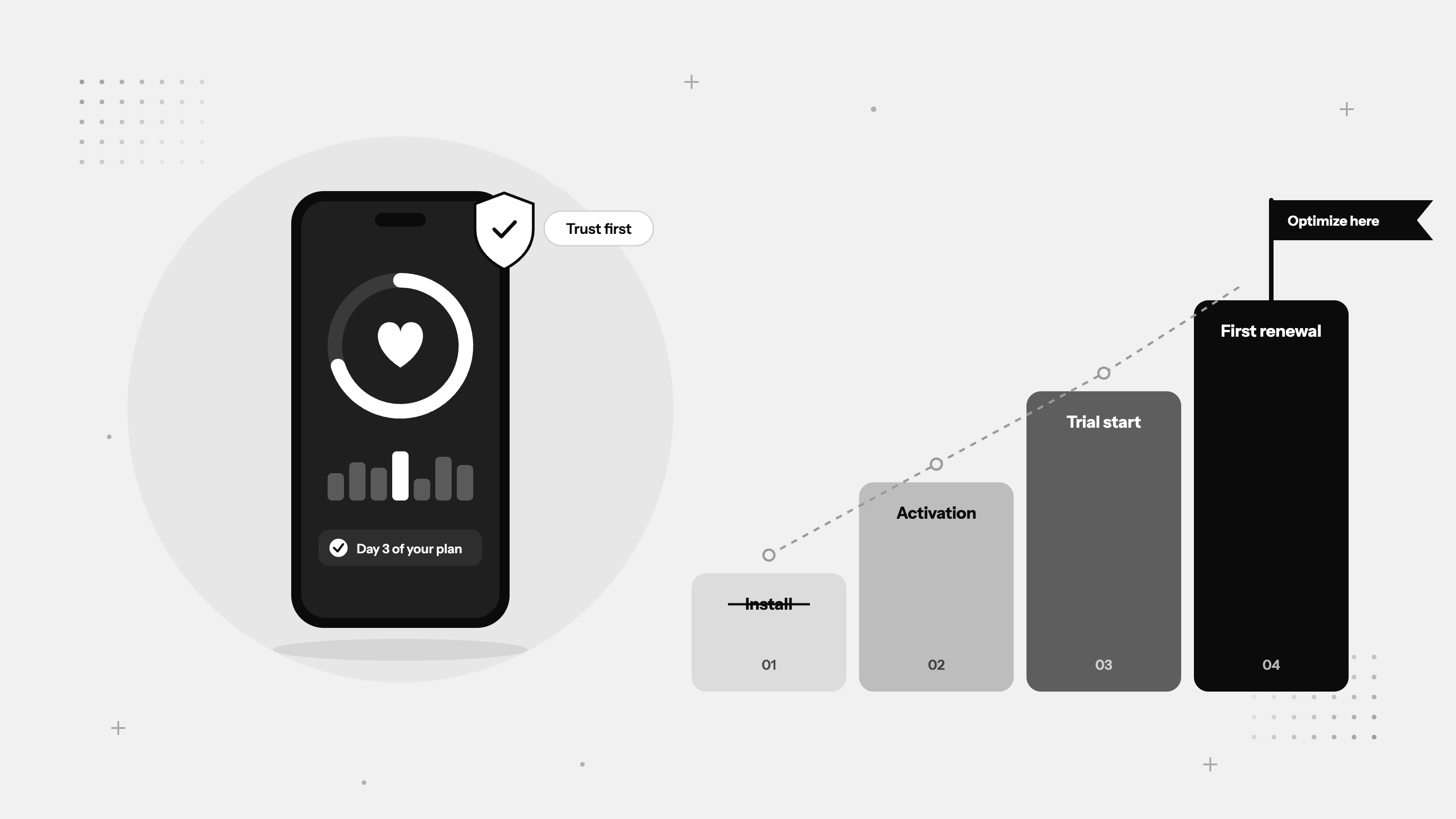
Look beyond install volume. Watch cost per install alongside onboarding completion, day-one retention, trial starts, purchase rate, refund behavior, and downstream ROAS where the data model supports it. The cheapest install can be the most expensive user if the ad attracts people who leave the moment they discover the real product.
Measurement Needs a Privacy-First Plan
Kids gaming acquisition cannot rely on the same user-level signal density available to every other app category. Attribution windows, consent choices, platform restrictions, and child privacy obligations create blind spots. That makes disciplined experimentation more valuable, not less.
Use aggregated performance trends to compare concepts over meaningful spend. Pair platform reporting with product analytics that respect your privacy framework. When budgets allow, run geo tests, holdouts, or controlled channel experiments to validate whether campaigns are creating incremental users rather than simply claiming credit for demand that already existed.
There is no universal winning KPI. A free, ad-supported game may prioritize retained active users and ad revenue. A subscription product may accept a higher upfront CPA if trials convert and cohorts stay. A branded game may value completed experiences and brand lift alongside installs. The media plan should reflect the economic model, not default dashboard metrics.
Design the Post-Click Experience to Keep the Promise
Creative and media cannot compensate for a first session that is confusing, gated too early, or disconnected from the ad. If the campaign promises character customization, get the player to a meaningful customization moment quickly. If it sells a puzzle challenge, do not bury the first puzzle behind five setup screens.
This is where acquisition teams need a direct feedback loop with product. Comments, reviews, creator feedback, and retention drops often reveal exactly where the ad-to-product handoff breaks. Fixing that gap can improve effective acquisition cost more than another month of bidding adjustments.
For kids gaming advertisers, trust is not soft brand language. It is a performance variable. Build ads that make the right promise, show the real fun, and give parents a clear reason to say yes. The installs you earn that way are far more likely to become the players worth paying for.