Mobile Games Ads
Mobile Games Ads
Mobile Game Marketing That Scales Profitably
Mobile game marketing works when creative, media, and measurement operate as one system. Learn how to lower CPI, improve ROAS, and scale quality players.

A game can have polished art, satisfying progression, and strong retention, then still miss its revenue targets because the ads are saying the wrong thing to the wrong player. That is the hard truth of mobile game marketing: distribution is not a finishing step after development. It is a live product discipline that shapes which audiences discover the game, install it, and stay long enough to become valuable.
The teams that scale do not treat creative, paid media, influencer activity, and measurement as separate workstreams. They run them as one acquisition system. A weak hook can make a strong game look uninteresting. A winning concept can fail when the targeting, store page, or onboarding experience breaks the promise made in the ad. Growth comes from finding those breaks quickly and fixing them with evidence.
Mobile Game Marketing Starts With Player Economics
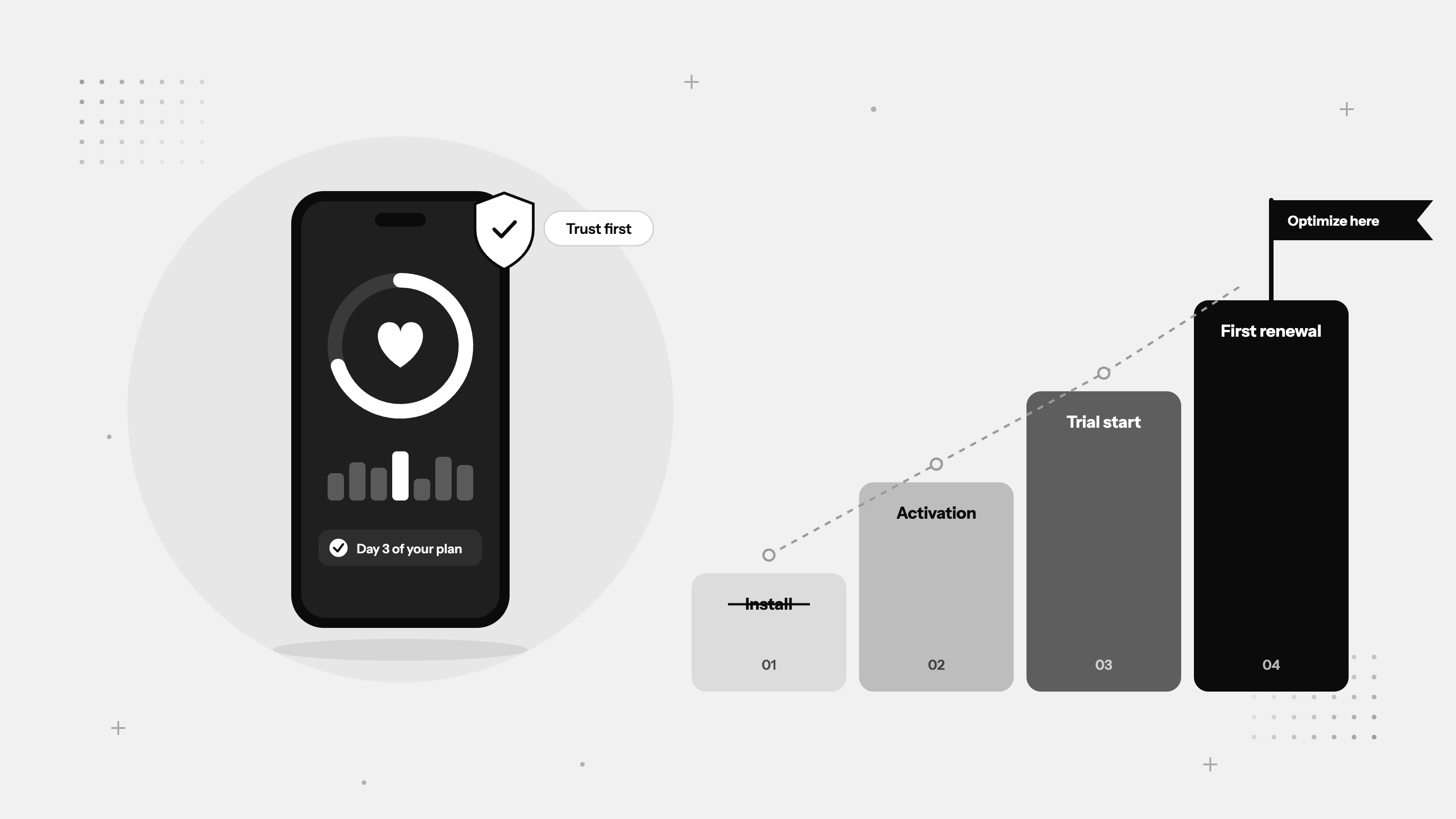
Installs are a useful signal, not the finish line. A low CPI can look great in a reporting dashboard while bringing in players who churn before the first meaningful gameplay loop. Conversely, a higher CPI can be profitable if the audience has stronger retention, deeper engagement, and a higher probability of converting.
Start with the business model. For an ad-monetized title, track early engagement, session frequency, ad impressions per user, and payback windows. For IAP and subscription games, connect acquisition to tutorial completion, first purchase rate, payer conversion, and cohort revenue. The right optimization event depends on the game, its data maturity, and how long it takes value to reveal itself.
That distinction matters because every creative decision has an economic consequence. A cinematic ad may build broad interest but attract players looking for a different experience. Raw gameplay may produce fewer clicks yet deliver a better-qualified install. Neither format is automatically right. The question is whether the promise in the ad creates players who reach value after the install.
Build Ads Around the First Second, Not the Final Edit
Most paid social ads lose before the gameplay is even visible. The opening frame is doing the real work: it has to interrupt the feed, establish a clear tension, and give the viewer a reason to keep watching. Stop testing ads. Start testing hooks.
For mobile games, the strongest hooks usually expose a moment of immediate comprehension. A near-loss in a puzzle game. A bad tactical decision in a strategy title. A character that needs rescuing. A surprising upgrade payoff. A player versus player reversal. The viewer should understand the challenge or reward without needing a voiceover to explain the rules.
Once a hook earns attention, the rest of the ad should prove the game can deliver on it. That does not always mean showing unedited gameplay for 30 seconds. It means making the core loop legible. Show the decision, the consequence, and the payoff. Use captions, reactions, and sound design when they make the action easier to understand, not just louder.
There is also a practical line between amplification and deception. Concept-led ads, exaggerated fail states, and creator-driven skits can outperform literal gameplay. But if the ad promises a mechanic that barely exists, downstream quality often suffers. The short-term click can become a long-term retention problem. Test aspirational concepts, then validate them against engagement and revenue cohorts before scaling.
Creative Variation Must Be Deliberate
Creative fatigue is not solved by producing minor edits of the same video. Changing text color, adding a new end card, or swapping music can extend an asset's life, but it rarely creates a new learning. Build variation at the concept level.
One concept might frame the game as a skill challenge. Another may focus on collecting, social competition, character customization, or a satisfying progression moment. Within each concept, create multiple hooks, opening visuals, scripts, creator styles, and calls to action. That structure makes results easier to interpret. You can identify whether the audience responds to the underlying angle or only one execution.
A data-led creative strategy also avoids the trap of declaring a winner too early. An ad that performs on TikTok may not translate to Meta. A concept that drives efficient Android installs may underperform with iOS players. Platform behavior, audience composition, and attribution windows all affect the result. Creative should be built for the environment where it will run, then adapted based on live performance.
Match the Channel to the Job
Meta remains a powerful environment for broad audience discovery, retargeting, and conversion optimization when the account has enough event volume. TikTok can be a strong testing ground for creator-native storytelling, meme-aware concepts, and fast creative iteration. Google can capture higher-intent demand and support reach across its app ecosystem. Each channel has a role, but none should be managed in isolation.
The common mistake is spreading spend evenly because every platform is available. A better approach is to define the job each channel must do. Are you finding new audiences? Scaling a proven concept? Bringing back lapsed installers? Driving pre-registration before launch? The answer changes the creative format, bid strategy, measurement approach, and level of acceptable risk.
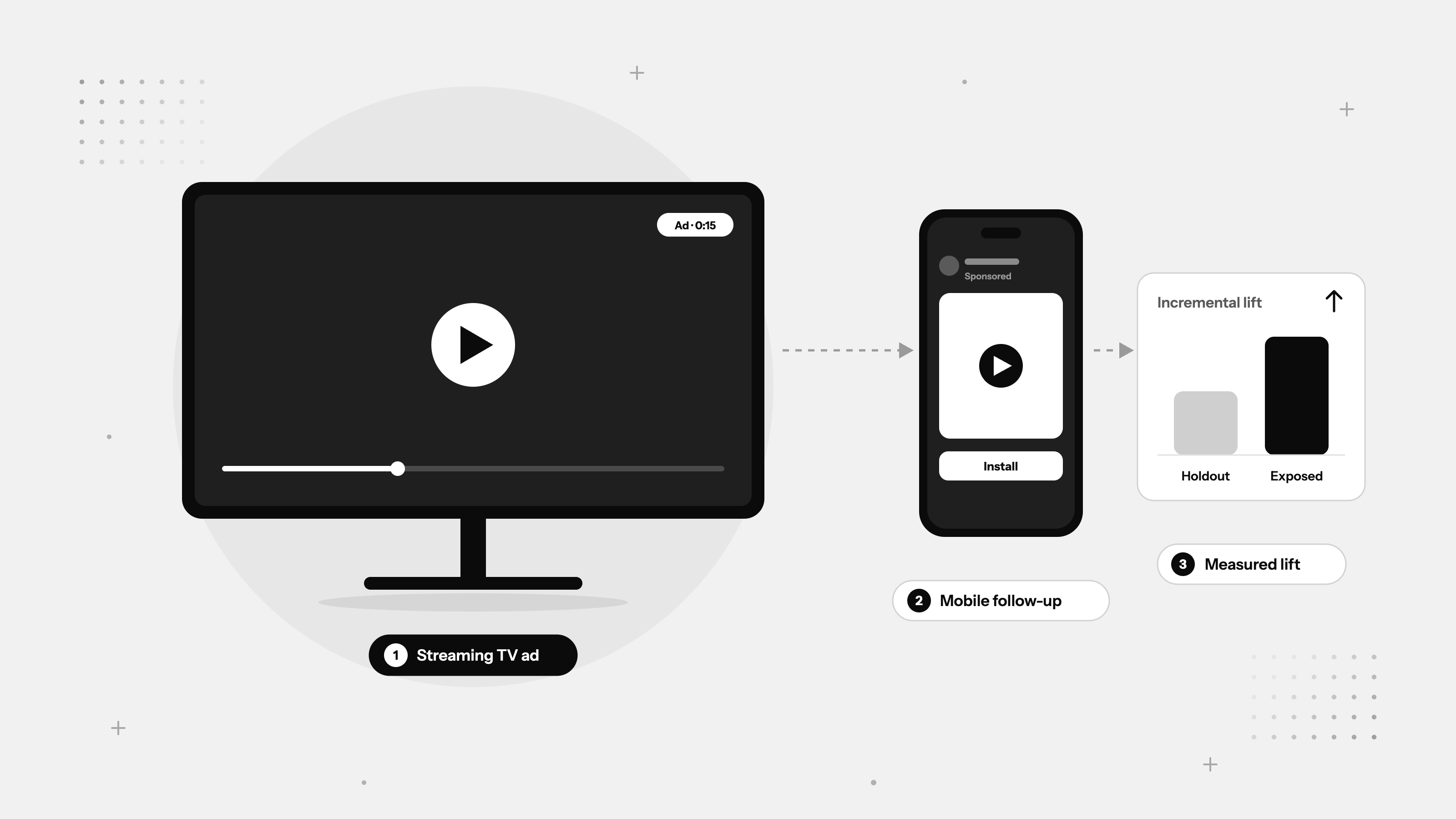
Connected TV can also be valuable for titles with broad appeal, recognizable IP, or a launch moment worth amplifying. It is not a replacement for performance media. It can expand reach and create demand that lower-funnel channels later capture. Measure it accordingly, using lift and blended business outcomes rather than expecting it to behave like a direct-response placement.
Make Gameplay Interactive When the Moment Calls for It
A playable ad can turn gameplay into a powerful acquisition tool because it asks users to engage before they install. For puzzle, strategy, simulation, and mechanic-led games, a custom HTML5 playable can qualify interest better than passive video alone. The player experiences a simplified version of the decision loop, then installs to continue.
That does not make playables a universal answer. They take more planning, technical production, and quality assurance than a short-form video. A poor playable that is slow, confusing, or disconnected from the actual game can waste impressions just as quickly as a weak video. The payoff comes when the interaction is intuitive, quick to load, and tied to the game's real appeal.
Use video to generate volume and emotional context. Use playables when the mechanic itself is the selling point. Then compare not only click-through rate and CPI, but install-to-event conversion, retention, and revenue quality.
Creator Content Needs Performance Discipline
Influencer marketing is often treated as a brand activity with vague reporting. For growth teams, that is too passive. Creators can be a source of high-performing paid assets, not simply a one-time awareness channel.
The best partnerships start with a clear creative brief but leave room for a creator's natural delivery. Give them the audience insight, gameplay angle, required claims, and conversion goal. Do not hand them a rigid script that removes the personality their followers trust. Their job is to make the game feel culturally relevant and credible. Your job is to ensure the footage can work in a paid environment.
Secure appropriate usage rights, request multiple openings and takes, and plan edits for different placements before filming starts. One creator shoot should produce more than one organic post. It should create a library of hooks, reactions, demonstrations, and social proof that can be tested across acquisition campaigns.
Measure the Whole Path, Not Just the Click
Attribution will never be perfect, particularly as privacy rules, platform modeling, and cross-device behavior complicate the picture. That is not a reason to fly blind. It is a reason to use multiple signals.
Platform reporting helps optimize delivery in real time. Mobile measurement partner data connects media to post-install events. Internal product analytics shows whether players actually retain and monetize. Blended metrics such as total new users, revenue, and payback protect the team from optimizing a dashboard metric at the expense of the business.
Create a recurring operating rhythm: review performance by creative concept and player quality, identify the strongest insight, produce the next round of variants, and shift budget with discipline. Fast iteration matters, but random iteration burns money. Every test should answer a question about the player, the message, or the channel.
Mobile game marketing gets more efficient when the acquisition team stops asking which ad won and starts asking why it won. That answer is what gives the next campaign a better chance of scaling.